The Labeling System That Means You’ll Never Lose Anything In A Storage Unit Again
Renting a storage unit sounds simple, but walking onto a facility lot can turn into an overwhelming mess of glossy promises and confusing price tags. Bright banners shout low rates, while shiny gates and clean hallways tempt eyes away from what truly matters.
Every facility puts its best foot forward, making it hard to separate real value from pretty packaging. The real question is what actually protects belongings over the long haul. This guide cuts through the noise to compare storage space in Dubai with a clear head.
Look past the shiny office:
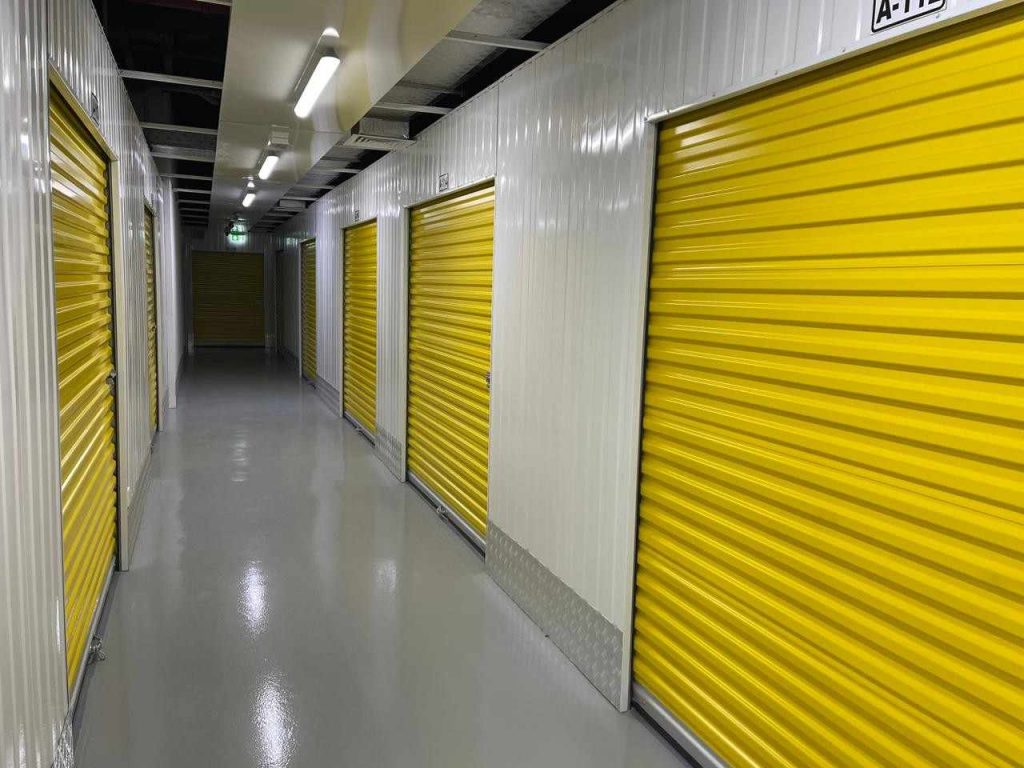
A beautiful reception area with fresh paint and a friendly smile does not equal a safe unit for belongings. Facilities spend money on lobbies because customers see them first, but that fancy desk does nothing to stop moisture or pests. Walk straight to the actual units and inspect the hallways, corners, and exterior walls. Look for peeling paint, water stains, or rusty door tracks. These small clues tell the real condition of the property.
Check climate control with your own hands:
Many facilities advertise temperature-controlled units, but the definition varies widely. Some keep units cool enough for sensitive items, while others simply run a fan. Ask to step inside a unit and stay there for a few minutes. Does the air feel stale or damp? Are there signs of condensation on metal surfaces? Bring a small hygrometer if possible, or simply trust your skin. Sticky, heavy air means trouble for furniture, paper, and fabrics. Proper climate control keeps the air dry and stable year-round.
Read the fine print on rates:
That advertised low monthly rate often changes after the first few months. Facilities attract customers with teaser prices, then raise them quietly after move-in. Ask for a written estimate that shows the rate for month six and month twelve. Also question mandatory fees like administrative charges, gate access cards, or required insurance.
Visit during heavy rain or high heat:
Facility managers schedule tours during perfect weather, but problems show up when conditions get tough. Drive by the property after a strong rainstorm and check for puddles near unit doors. Stand inside a unit on a hot afternoon and note how long it takes for the temperature to rise. Good facilities maintain consistent conditions regardless of outside weather. Bad ones leak water or bake belongings like an oven. The worst time to discover drainage issues is after items are already stored inside.