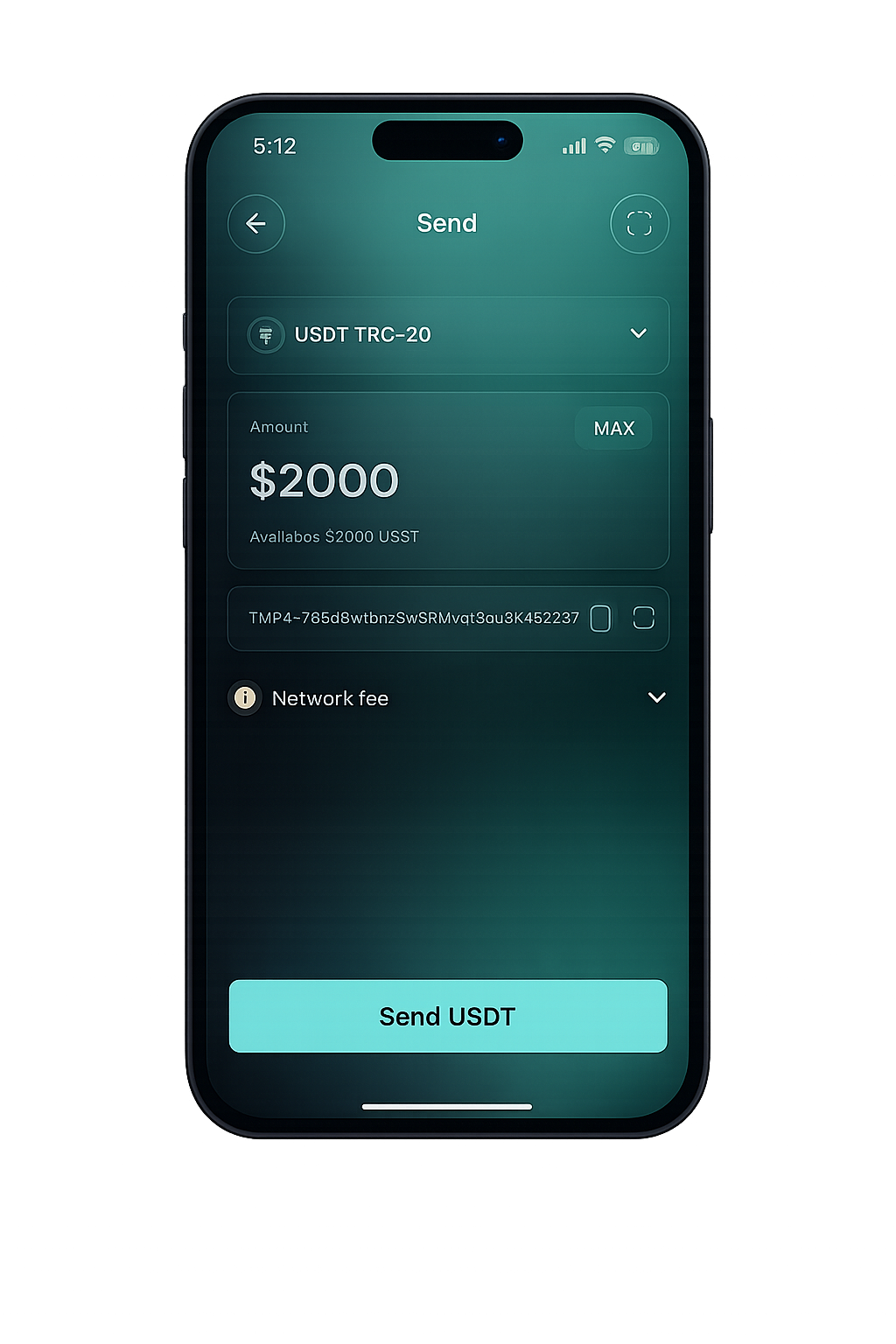
TRC20 vs ERC20: Which Network Is More Affordable?
The cryptocurrency world relies heavily on blockchain technology, and token standards like TRC20 and ERC20 play a crucial role in this space. Both networks are widely used, but costs can vary significantly. Understanding which network is more affordable can help users optimize their transactions and reduce fees.
Here’s a closer look at the affordability of TRC20 vs ERC20.
What Are TRC20 and ERC20?
TRC20 is a token standard on the TRON blockchain, while ERC20 is its counterpart on Ethereum. These standards define how tokens operate within their respective networks, including transfers, approvals, and interactions with smart contracts. However, one of the biggest factors that set them apart is their fee structure.
Transaction Fees
Ethereum’s ERC20 network is often associated with high gas fees. These fees fluctuate based on network congestion. As transaction volume increases, so do transaction costs. For regular users, these high, unpredictable costs can be a drawback, making small transactions less economical.
On the other hand, TRC20 tokens are built on the TRON blockchain, which is known for its lower transaction fees. TRON’s network offers a cost-effective solution for users who prioritize affordability in their transactions. This difference in fee structures makes TRC20 an appealing option for those who regularly send or receive funds.
Speed of Transactions
Another critical consideration is how quickly transactions are processed. ERC20 transactions rely on Ethereum’s network, which can experience delays during peak periods. Users waiting for confirmations might face longer processing times due to the network’s popularity and high demand.
TRC20, in contrast, benefits from the TRON blockchain’s efficient performance. Transactions are processed quickly and with minimal delay, making it a practical alternative for users who value fast processing.
Accessibility
Accessibility is another factor that impacts affordability. While ERC20 is backed by a vast ecosystem of decentralized applications and services, the associated costs can sometimes outweigh its benefits. TRC20, on the other hand, provides a budget-friendly option without compromising on basic functionality. Its straightforward nature makes it a popular choice for those looking to manage their finances without incurring hefty fees.
Choosing the Right Network
Selecting between TRC20 and ERC20 depends largely on individual priorities. For users focused on cost savings and speedy transactions, TRC20 often comes out ahead. Meanwhile, those who need Ethereum’s extensive ecosystem and are willing to pay higher fees might find ERC20 to be their preference.
Both networks serve their purposes well, and understanding their unique cost structures can help users make informed decisions to suit their needs.